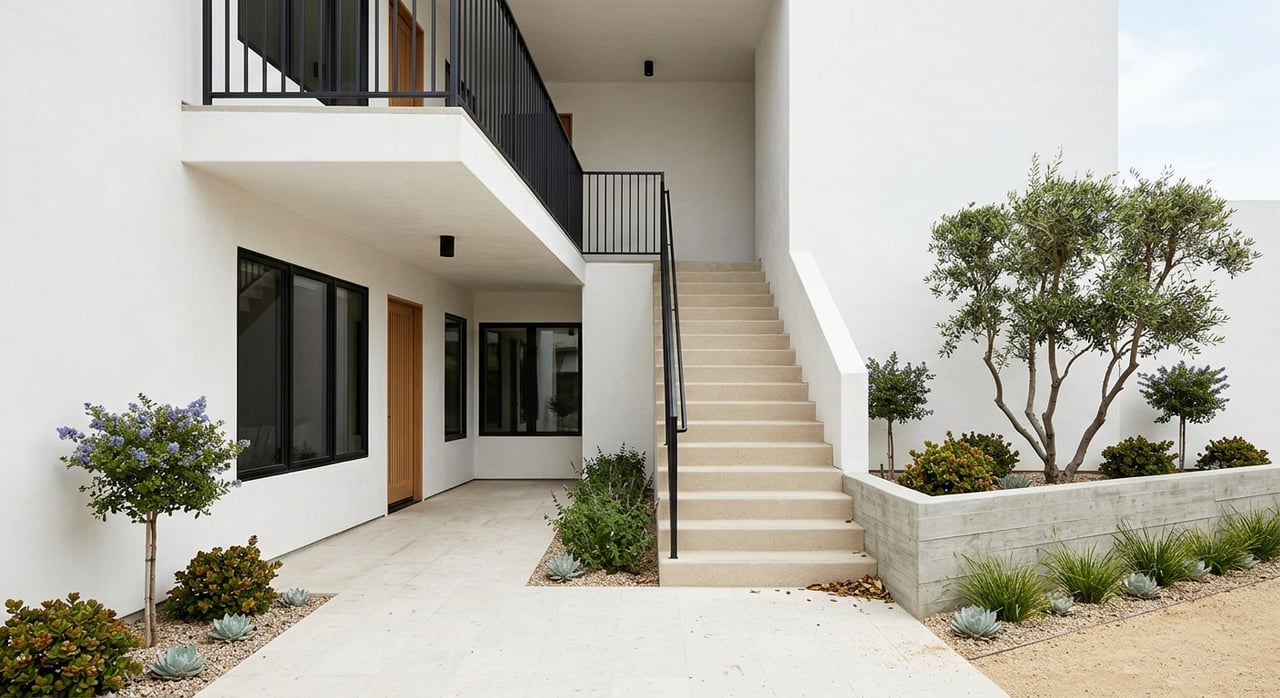
Buying a Condo in Pismo Beach? Key Details to Review
June 25, 2026
June 25, 2026
Buying a condo in Pismo Beach can look simple on the surface. You find a unit you love, picture weekends by the coast, and start imagining the view from your balcony. But condo ownership here comes with layers that matter, from HOA finances to coastal maintenance to rental rules. If you want to buy with more confidence and fewer surprises, it helps to know what to review before you commit. Let’s dive in.
In California, condos and many townhomes are part of a common interest development, often called a CID. That means your purchase usually includes your separate living space plus an interest in shared common areas, and HOA membership is automatic.
This is important because a townhome is not a legal ownership type in California. It is an architectural style. Before you buy, confirm whether the property is legally a condominium, a planned development, or another form of CID, because that affects maintenance duties, shared ownership, and use restrictions.
Some parts of the property may feel private but still fall under HOA control. Balconies, patios, windows, parking spaces, and exterior fixtures may be exclusive-use common area rather than fully separate property. That is one reason the governing documents matter so much.
When you buy a condo, you are not just buying walls and finishes. You are also buying into a governance system run by the homeowners through the HOA board.
The board is responsible for collecting dues, paying bills, operating the association, and enforcing rules. In practical terms, your ownership experience can be shaped not only by the unit itself, but also by how well the association is managed.
Amenities can be a real benefit in condo living. Shared parking, private streets, pools, trails, recreation areas, and similar features can add convenience, but they also add ongoing costs through regular assessments and reserve funding.
One of the smartest steps you can take is to read the HOA documents with care. In California, the CC&Rs, bylaws, and board rules help define how the community operates, and buyers are generally presumed to accept those rules when they purchase.
Under California law, the seller must provide a package of HOA-related disclosures. This typically includes governing documents, the most recent annual budget materials, a statement of assessments and unpaid amounts, unresolved violation notices, rental restrictions in the governing documents, requested board minutes from the prior 12 months, and the most recent exterior-element inspection report.
As you review these materials, pay close attention to practical questions like these:
A beautiful unit can distract from weak association finances. That is why the HOA budget and reserve disclosures deserve real attention.
California requires the annual budget report to include a pro forma operating budget, reserve summary, reserve funding plan, statements about deferred major repairs, anticipated special assessments, outstanding long-term loans, insurance coverage, and, for condo projects, FHA and VA approval status.
Reserve disclosures should show the estimated replacement cost of major components, their remaining useful life, the current reserve balance, and the reserve funding percentage. California also requires a visual reserve-study inspection at least every three years, along with annual board review and five-year reserve funding projections.
For you as a buyer, some of the biggest financial red flags are:
If the HOA has gross income over $75,000, California also requires a financial review by a licensed California Board of Accountancy professional. That can add another useful layer of financial visibility.
Budgets tell part of the story. Board minutes often tell the rest.
Ask for the prior 12 months of non-executive board minutes and read them with a practical eye. They can reveal recurring maintenance issues, owner disputes, future repair projects, rule-enforcement problems, or possible assessment increases.
For example, if the minutes repeatedly mention leaks, balcony work, drainage concerns, or insurance challenges, that may tell you more than the marketing remarks ever will. In a coastal condo market, those details matter.
Pismo Beach offers the lifestyle many buyers want, but the coast can be hard on buildings. Salt spray near breaking waves and onshore winds can accelerate corrosion, especially on exposed metal and exterior building elements.
That makes exterior condition especially important in a Pismo Beach condo purchase. Look closely at items like balconies, walkways, railings, waterproofing, windows, and other exposed components, particularly where the HOA is responsible for upkeep.
California now requires condominium associations to inspect exterior elevated elements such as decks, balconies, stairways, walkways, and railings on a nine-year cycle. The inspection must address condition, remaining useful life, and needed repairs. If an immediate safety threat is found, the association must restrict access until repairs are completed and approved.
This means you should not treat exterior issues as minor cosmetic concerns. In a condo community near the coast, they can affect safety, insurance, financing, and future cost.
If you are planning to remodel after closing, do not assume the process will be simple. Pismo Beach has adopted updated California building-related codes effective January 1, 2026, along with the 2024 International Property Maintenance Code and local amendments.
That does not mean a remodel is impossible. It simply means you should verify permit requirements, HOA approval requirements, and any project limits before you count on a fast renovation.
This matters even more in condos, where changes to windows, exterior doors, balconies, plumbing, or electrical systems may involve both city requirements and HOA approval. Clarity up front can save time and frustration later.
Insurance is another area where condo buyers should slow down and ask good questions. Pismo Beach links to FEMA flood maps, so it is wise to check flood exposure, possible insurance costs, and any mitigation history before closing.
You should also read the HOA insurance summary carefully. California requires disclosure of property, general liability, earthquake, flood, and fidelity insurance, but HOA coverage may not fully protect unit interiors, personal belongings, or every deductible.
A simple rule is this: do not assume the HOA policy covers everything you care about. It is smart to speak with an insurance broker about what owner-side coverage you may need in addition to the association’s policy.
For some buyers, a Pismo Beach condo is not just a personal retreat. It may also be part of a long-term rental or vacation-use plan. If that is true for you, verify both HOA rules and city rules before moving forward.
Pismo Beach states that no new short-term rental licenses are being issued, permits do not transfer with the sale of a property, and vacation rental or short-term rental operators must obtain city approval, a business license, and a TOT certificate. The city also limits short-term rentals to specific addresses and zones.
At the same time, California requires disclosure if the governing documents prohibit rentals or leasing. So a property may be limited by city rules, HOA rules, or both.
That makes rental due diligence especially important. If future flexibility matters to you, confirm the current rules in writing before you make your decision.
If you may use FHA or VA financing, ask about project eligibility as early as possible. California requires condo projects to disclose whether they are FHA-approved or VA-approved, and that status can influence financing options now and resale options later.
Even if you are not using FHA or VA financing today, approval status can still matter. It may affect the future buyer pool when it is time to sell.
This is one more reason condo due diligence should start early rather than after you are already emotionally committed to a property.
One of the most common condo mistakes is assuming maintenance responsibility is obvious. In reality, the line between owner responsibility and HOA responsibility can be less intuitive than many buyers expect.
Before making an offer, confirm who handles key items such as windows, exterior surfaces, balconies, plumbing lines, roofs, and parking-related areas. The answer depends on the legal structure of the development and the governing documents, not just how the property looks.
A careful review of those documents, along with guidance from experienced local professionals, can help you make a more informed decision. In a market like Pismo Beach, thoughtful preparation is often what protects both your lifestyle and your investment.
If you are considering a condo in Pismo Beach, a calm and well-informed process can make all the difference. For clear local guidance and strategic support as you weigh options along the Central Coast, connect with Leslie Dougherty.
Stay up to date on the latest real estate trends.


Interior Design, Mid Century, Buyers, Outdated
When does “outdated” simply mean “of its era”?
Over 20 years of experience guide a strategic, thoughtful approach grounded in deep market insight. Every step is handled with clarity, precision, and a strong focus on your goals.