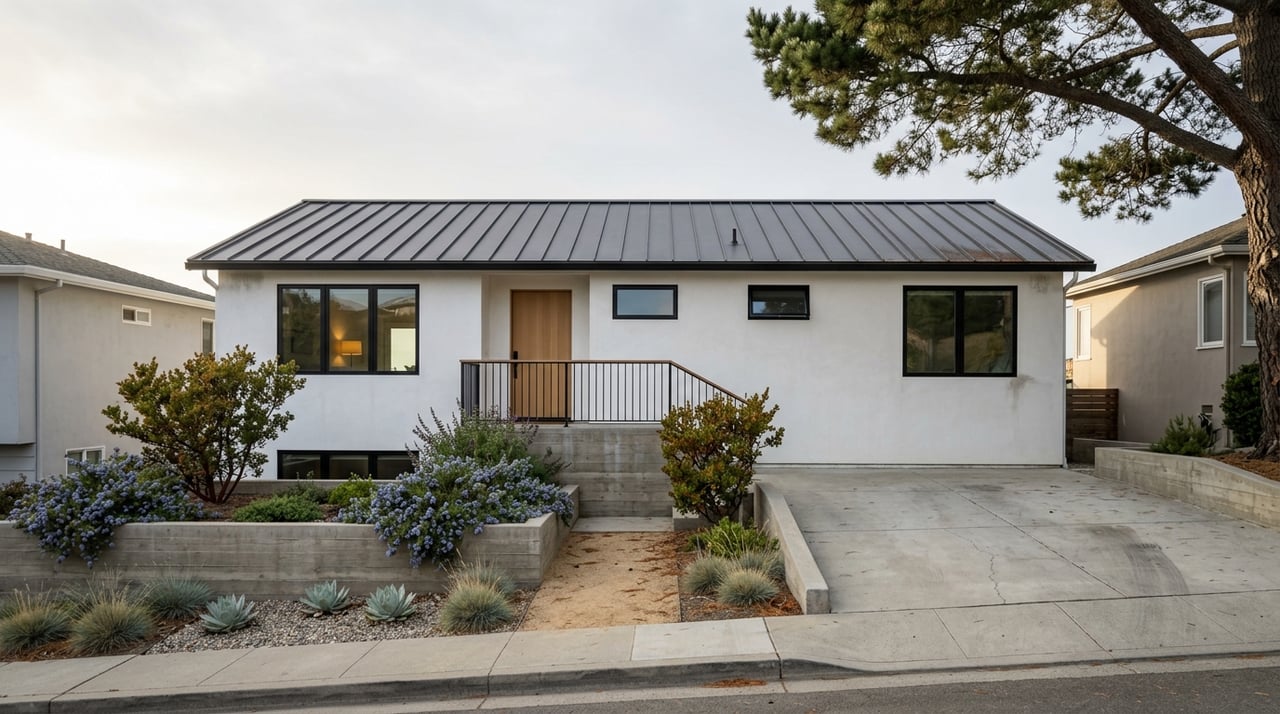
A Morro Bay Neighborhoods Guide for Your Lifestyle
May 21, 2026
May 21, 2026
What if the right Morro Bay home is less about square footage and more about how you want your day to feel? In a compact coastal city like Morro Bay, your lifestyle can shift quickly from one pocket of town to the next. If you are trying to decide where to focus your search, this guide will help you match your priorities with the areas that best support them. Let’s dive in.
Morro Bay is small, but it does not live small. The city sits along the coastline with hills and ridgelines shaping views, access, and even the feel of a daily routine. Morro Rock, the shoreline, and hillside outlooks are part of life in many parts of town.
That means choosing a neighborhood here is often really a micro-location decision. A few blocks can change your walkability, your wind exposure, your access to the beach, and the level of activity around you. City planning layers also matter, including Plan Morro Bay, zoning rules, the Waterfront Master Plan, and area-specific plans.
Before you compare homes, it helps to think about what you want your week to look like. In Morro Bay, that answer often matters as much as the house itself.
Ask yourself a few simple questions:
Your answers can quickly narrow the map. In Morro Bay, the strongest lifestyle differences tend to show up in waterfront areas, beach-edge pockets, hillside and blufftop locations, and North Main or downtown-fringe areas.
If you want energy, bay access, and a strong connection to the harbor, the Embarcadero area stands out. This is Morro Bay’s primary visitor-serving waterfront district, with restaurants, cafes, hotels, and shops clustered along the bay.
It is also a working waterfront, not just a scenic one. The Harbor Department manages slips, moorings, and the launch ramp, and harbor services are centered on boating, beach users, and waterfront visitors.
The Harborwalk gives this area a strong pedestrian feel. City materials describe it as a shoreline path connecting harbor-front businesses with Coleman Park and Morro Rock.
For you, that can mean excellent access to walks, bay views, and activity. It can also mean more parking pressure, tourist traffic, and a busier rhythm than quieter residential parts of Morro Bay.
This area is not primarily residential in the same way other parts of town are. City zoning limits residential use along the Embarcadero largely to incidental accessory uses rather than full residential development.
That is a useful signal when you are comparing locations. If your ideal day includes people, motion, and close contact with the water, this area may feel exciting. If you want a quieter residential setting, you may prefer another pocket.
If your priority is being close to the beach, Morro Bay offers several shoreline access points and park-edge settings. These include Morro Beach or City Beach north of Morro Rock, Coleman Beach at the north end of the Embarcadero, South Beach on the south side of Morro Rock, and the Sandspit south of the Rock.
North Point adds a bluff-top natural area with walkways, a beach access stairway, and a small park setting. From there, you can walk the beach north toward Cayucos or south toward Morro Rock.
Morro Strand State Beach runs for three miles and includes strand, dunes, dune wetland, and tidepool environments. The area supports surfing, wind and kite surfing, fishing, birding, and long beach walks.
State Parks also notes that summer days are often much cooler than inland areas, sometimes by about 30 degrees. If you are considering this part of town, coastal wind and layering up are simply part of the lifestyle.
This area is a natural fit if you care most about direct access to sand, recreation, and open views. It tends to favor public shoreline access and outdoor use over the more private feel some buyers want.
That does not make it better or worse. It simply means your decision should reflect whether you want your home base to feel more tied to beach activity and open-space access.
If views sit at the top of your list, hillside and blufftop areas deserve a close look. Morro Bay is framed by hills and ridgelines, and city materials note that ocean and hills are visible from residences throughout the community.
This part of town is often less about flat convenience and more about outlook, elevation, and visual connection to the landscape. Nearby natural features reinforce that character, including Black Hill in Morro Bay State Park, where a trail climbs to a panoramic summit.
View-oriented areas often come with more site-specific considerations. The Beach Street Specific Plan describes a mix of residential, commercial, and visitor-serving uses near the waterfront and blufftop properties, along with concerns related to noise, odor, light, glare, and truck traffic.
City rules and proposals also show how sensitive these areas can be. They include discussions around blufftop height limits on part of Front Street, setback adjustments for sloping residential lots, and special setback rules in some residential blocks and narrow lots.
When you tour homes in these areas, pay close attention to the lot itself. Slope, privacy, view lines, parking, setbacks, and whether a property falls within a specific plan area can all affect how the home lives now and what may be possible later.
This is one of the clearest places where Morro Bay rewards careful, property-by-property review. Two homes with similar views may have very different practical constraints.
If you want a more practical, less car-dependent routine, North Main and the downtown fringe are worth considering. The North Main Street corridor runs about two miles in North Morro Bay and shifts in character along the way.
City planning documents describe the south end as more commercial and visitor-serving, while the north end transitions into residential neighborhoods. The corridor includes mixed commercial and residential development, along with standards for heights, landscaped yard setbacks, and neighborhood compatibility.
This is one of Morro Bay’s strongest convenience zones. Downtown, the waterfront, and the Embarcadero are all within easy walking distance of one another, and transit options support daily movement around town.
The city notes that seasonal trolley service covers the downtown and waterfront areas, while year-round fixed-route and Call-A-Ride service serve the city. Visitor information also notes that the trolley loops through downtown, the Embarcadero, and North Morro Bay.
If your ideal day includes grabbing what you need without always getting in the car, this area has real appeal. You may give up some of the tucked-away feeling found in quieter streets, but you gain ease and connection.
For many buyers, especially those relocating or looking for a second home with simple logistics, that tradeoff can make a lot of sense.
One of the most useful facts in Morro Bay is that city sources do not point to one typical lot size for the whole city. Instead, the rules focus on how lots function.
That includes frontage, slope, narrow-lot setbacks, improved-block setbacks, blufftop height concerns, and neighborhood-specific design controls. In other words, broad labels only get you so far.
When you compare homes, focus on details like:
This kind of review can help you avoid oversimplifying Morro Bay. A home’s exact position on the block may shape your lifestyle as much as the neighborhood name.
A simple way to frame Morro Bay is this: waterfront and Embarcadero areas support water access and activity, beach-edge pockets support sand and open space, hillside and blufftop areas support views and quieter streets, and North Main or downtown-fringe locations support convenience and mixed-use living.
The right choice depends on what matters most to you. If you start with your lifestyle, then match that to the city’s physical layout and planning context, your search usually becomes much clearer.
Morro Bay rewards buyers who take a measured approach. If you want help sorting through the tradeoffs between views, access, lot constraints, and day-to-day livability, Leslie Dougherty offers the kind of calm, hyper-local guidance that can make your search more focused and more confident.
Stay up to date on the latest real estate trends.


Interior Design, Mid Century, Buyers, Outdated
When does “outdated” simply mean “of its era”?
Over 20 years of experience guide a strategic, thoughtful approach grounded in deep market insight. Every step is handled with clarity, precision, and a strong focus on your goals.